The Effect on the Integrated Chunking Techniques Combined with Writing is Thinking on Students Thinking Levels in the Topic of the Human Circulatory
DOI:
https://doi.org/10.32938/jbe.v11i1.10314Keywords:
Chunking Technique; Writing is Thinking, Level of Thinking, Circulatory SystemAbstract
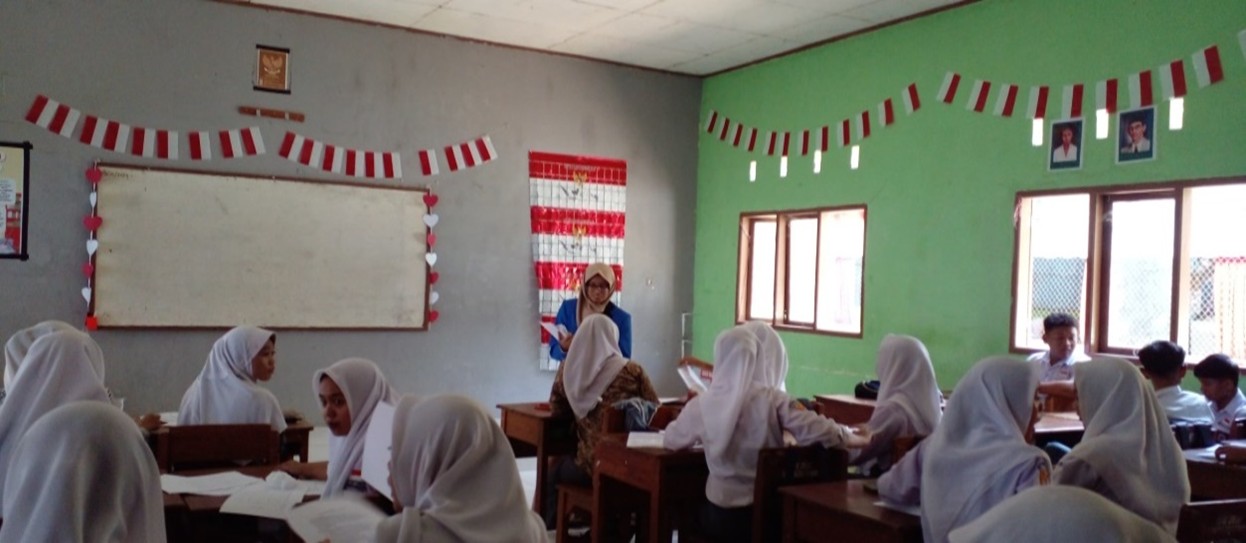
The purpose of this study was to determine the differences in the thinking levels of students learning about the circulatory system taught using the chunking technique combined with writing is thinking, the chunking technique, and the lecture technique in grade XI students at SMA Negeri 20 Gowa in the 2024/2025 academic year. This study was an experiment using purposive sampling with specific considerations. The research population consists of 300 individuals, with 90 samples divided into 6 learning groups. Data collection was conducted using a test instrument consisting of two types of questions: multiple-choice and essay-style, to assess students' thinking levels. Hypothesis testing was performed using an ANOVA test, as the data were normally distributed and homogeneous. The results of the hypothesis testing indicated that the significance level was <0.000. This indicates that the sig value is < α (0.05), so it can be concluded that H0 is rejected and H1 is accepted. This means that there is a difference in the level of thinking of students taught using the chunking technique combined with writing is thinking (experimental class), the chunking technique (positive control class), and the lecture technique (negative control class) in students learning about the human circulatory system. Since there is a difference, an LSD (Least Significant Difference) test was conducted, showing that the level of thinking among students taught using the chunking technique combined with writing was thinking was the highest, followed by the chunking technique and the lecture technique.
References
1. REFERENCES
Afandi & Ningsih, K. (2020). Taxonomy and Model of Higher-Order Thinking Learning. Tanjungpura: Untan Press
Cahdriyana, R, A & Richardo, R. (2021). Strategies to Minimize External Cognitive Load in Mathematics Learning Based on Cognitive Load Theory . Humanika: Scientific Study of General Courses , 21(1), pp. 17-32. ISSN: 1412-1271 (p); 2579-4248 (e). doi: 10.21831/hum.v21i1. 38228.17- 32
Carver, L & Holly, S, A. (2022). Writing is Thinking. London: United Kingdom Chandra, A. (2023). National Education System Law as an Umbrella Education Law in Indonesia. JIIP (Journal Scientific Knowledge Education). 6(4). (2715-2720), (eISSN: 2614-8854). Doi: http://Jiip.stkipyapisdompu.ac.id
Fadilah, M & Reski, S, H. (2024). Analysis of Learning Media on Cognitive Load Participant Educate on Biology Learning. Journal Bioshell: Journal of Biology Education, Biology, and Science Education . 13(1).
Jamaluddin, AB, Wanah, HN, Zahra, F., Zubaidah, S., & Arsih, F. (2023). Critical thinking, communication skills and biology learning outcomes: Are they correlated? In AIP Conference Proceedings (Vol. 2569, No. 1). AIP Publishing.
Kadarusman, L., Rahmat, A., & Priyandoko, D. (2020). The Relationship Of Students Thinking Level and The Ability to Develop Proposition Network Representation of Human Nervous System in Modeling Based Learning (MBL). Indonesian Journal of Science Education , 9(3), 361–370. https://doi.org/10.15294/jpii.v9i3.24214
Lawe, Y, U; Manggus, M, Y; Inggo, M, S; Bhena, M, M, O; Weo, S; Baka, M, Y & Tai, Y. (2023). Implementation of the Lecture Method in Indonesian Language Learning to Increase Student Learning Activity. Annual Proceedings . ISSN: 2775-1589.
Marzano, R, J & Kendall, J, S. (2007). The New Taxonomy of Educational Objectives : London: Corwin Press
Meylasari, N,D., Sujadi, I & Subanti, S. (2021). Profile Levels Students' Statistical Thinking in Analyzing and Interpreting Data. Aksiom .10(1). Doi: 10.24127//AJPM.V10I1.3463
Niickles, M., Renkl, A., Roelle, J., Glogger-frey, I., & Waldeyer, J. (2020). The Self-Regulation-View in Writing-to-Learn : Using Journal Writing to Optimize Cognitive Load in Self-Regulated Learning. Educational Psychology Review , 1089–1126. https://doi.org/doi.org/10.1007/s10648- 020- 09541-1
Nisak, N, Z. (2021). Analysis of Biology Teaching Material Needs for High School Students Reviewed from the Level of Material Difficulty, Higher-Order Thinking Skills and Student Learning Activity. EduBiologia (Biological Science and Educational Journal). 1(2). Pp 128-133. ISSN: 2774-6267. Doi. 10.309998/edubiologia.v1i2.9629
Payadnya, I, P, A & Suwija, I, K. (2021). Analysis of Students' Higher-Order Thinking Skills in the Statistical Methods Course in the Covid-19 Pandemic Era - Journal of Honai Math . 4(2). Pp.117-130. P- ISSN:2615-2185, e-ISSN:2615- 2193. http://doi.org/10.30862/jhm.v4i2.173
Puspita, D, G & Andriani, D, E. (2021). Efforts to Improve the Quality of Education in Junior High Schools and Their Problems. Journal of Education and Culture . 6(1). DOI: 10.24832/jpnk.v6i1.1893
Princess, M, D., Rahmat., & Sanjaya, Y. (2022). Chunking Technique with Writing is Thinking to Control Students' Extraneous Cognitive Load . BIOEDUCATION: JPB Vol. 15(1). 12 – 19. 1693-265X (Print)| 2549-0605 (On line). DOI:
https://dx.doi.org/10.20961/bioedukasi-uns.v15i1.57407
Rahayu, D, B; Sakdidah, S & Susanto, D, A. (2023). The Use of Think Tlk Write Technique in an Effort to Improve the Ability to Write Explanation Texts in Class XI IPS 2 Students of SMA Negeri 6 Semarang. PRIMER: Journal Scientific Multidisciplinary , 1(4), pp 397-408. E-ISSN 2985-7996. https://doi.org/10.55681/primer.v1i4.166
Risakotta, J. (2022). Application of Chunking Strategy to Improve Comprehension Skills English Text at Nusaniwe Health Vocational School Ambon. VOCATIONAL : Journal Innovation Education Vocational . 2(4). P-ISSN : 2775-0019 E-ISSN : 2774- 6283.
Sairo, M, I. (2021). The Use of Digital Mind Mapping Improves Students' Writing Skills. Indonesian Education Forum . 2(3), pp. 369-374 . E-ISSN: 2745-8601. DOI: https://doi.org/10.23887/mpi.v2i3.27813
Salsabila, V, A & Rinaningsih. (2023). Review: The Effectiveness of Student Worksheets in Chemistry Learning Through Inquiry Learning Models to Improve Student Learning Outcomes. UNESA: Journal of Chemical Education. 12(2). Pp. 75-82. ISSN: 2252-9454.
Sappaile, B, I. (2016). Covariance Analysis in Quasi-Experimental Research . South Sulawesi: CHANI Educational Development Institute.
Shchegoleva, A, V. (2022). The Chunking Method as a Way to Optimize the Learning Process OF Lexical Material in Soviet Union
Yasri, P & Suppawittaya, P. (2021). The Comparison of Chunking Method to Enhance the Cognitive Capacity of Short-term Memory to Retain Textual Information among High School Students. International Journal of Research in STEM Education (IJRSE) ISSN 2721-2904 (online). 3 (1): 27-35. Doi: https://journals.researchsynergypress.com/index.php/ijrse
Downloads
Published
How to Cite
Issue
Section
License
Copyright (c) 2026 BIO-EDU: Jurnal Pendidikan Biologi

This work is licensed under a Creative Commons Attribution-ShareAlike 4.0 International License.
The Authors submitting a manuscript do so on the understanding that if accepted for publication, the copyright of the article shall be assigned to BIO-EDU: Jurnal Pendidikan Biologi and Departement of Biology Education, Universitas Timor as the publisher of the journal. Copyright encompasses rights to reproduce and deliver the article in all form and media, including reprints, photographs, microfilms, and any other similar reproductions, as well as translations.
BIO-EDU journal and Departement Biology Education, Universitas Timor, and the Editors make every effort to ensure that no wrong or misleading data, opinions, or statements be published in the journal. In any way, the contents of the articles and advertisements published in BIO-EDU are the sole and responsibility of their respective authors and advertisers.
Users of this website will be licensed to use materials from this website following the Creative Commons Attribution-ShareAlike 4.0 International License.