
Bioinformatics Characterization of the AhFAD2 Gene Associated with Fatty Acid Biosynthesis in Peanut (Arachis hypogaea L.)
DOI:
https://doi.org/10.32938/jbe.v11i2.10998Keywords:
Peanut (Arachis hypogaea L.), AhFAD2 gene, Bioinformatics, Fatty acids, Fatty acid desaturaseAbstract
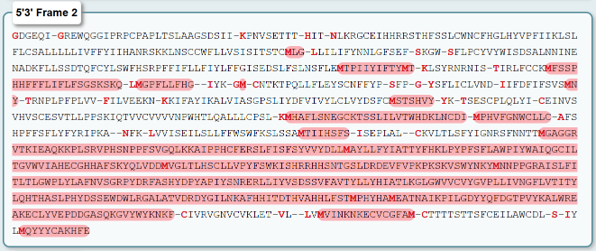
Peanut (Arachis hypogaea L.) is an important legume crop widely cultivated as a source of edible oil and plant-based protein. The quality of peanut oil is largely determined by its fatty acid composition, particularly the oleic to linoleic acid ratio, which is regulated by the fatty acid desaturase gene AhFAD2. This gene catalyzes the conversion of oleic acid into linoleic acid, and natural mutations within AhFAD2 are associated with the high-oleic trait that improves oxidative stability and storage quality of peanut oil. This study aimed to characterize the AhFAD2 gene using a bioinformatics approach to elucidate its molecular structure and functional properties. Gene sequences were retrieved from the NCBI GenBank database and analyzed using multiple sequence alignment to identify genetic variations such as SNPs and insertions/deletions. Protein domain analysis was performed using InterProScan, while functional annotation was supported by UniProtKB. Amino acid sequences were translated using the ExPASy Translate Tool and further examined for conserved motifs and structural features. The results revealed a high level of sequence conservation across accessions, with limited nucleotide variation. The AhFAD2 protein contains a conserved omega-6 fatty acid desaturase domain, histidine-rich catalytic motifs, and transmembrane helices typical of endoplasmic reticulum membrane proteins. Structural prediction indicated stable conformational regions that support its catalytic role in fatty acid desaturation. Overall, these findings provide comprehensive bioinformatics insights into AhFAD2 and support its potential application in peanut breeding programs aimed at improving oil quality.
References
Barkley, N.A., Isleib, T.G., Wang, M.L. et al. (2013). Genotypic effect of ahFAD2 on fatty acid profiles in six segregating peanut (Arachis hypogaea L) populations. BMC Genet 14, 62. https://doi.org/10.1186/1471-2156-14-62
Chi X, Zhang Z, Chen N, Zhang X, Wang M, Chen M, et al. (2017) Isolation and functional analysis of fatty acid desaturase genes from peanut (Arachis hypogaea L.). PLoS ONE 12(12): e0189759. https://doi.org/10.1371/journal.pone.0189759
Chu, Y.; Holbrook, C.C.; Ozias-Akins, P. (2009). Two alleles of ahFAD2B control the high oleic acid trait in cultivated peanut. Crop. Sci, 49, 2029–2036.
Çiftçi, S., & Suna, G. (2022). Functional components of peanuts (Arachis hypogaea L.) and health benefits: A review. Future Foods, 5, 100140. https://doi.org/10.1016/j.fufo.2022.100140
Dar AA, Choudhury AR, Kancharla PK and Arumugam N (2017) The FAD2 Gene in Plants: Occurrence, Regulation, and Role. Front. Plant Sci. 8:1789. doi: https://doi.org/10.3389/fpls.2017.01789
Derbyshire, E. J. (2014). A review of the nutritional composition, organoleptic characteristics and biological effects of the high oleic peanut. International Journal of Food Sciences and Nutrition, 65(7), 781–790. https://doi.org/10.3109/09637486.2014.937799
Gai, W., Sun, H., Hu, Y., Liu, C., Zhang, Y., Gai, S., & Yuan, Y. (2022). Genome-Wide Identification of Membrane-Bound Fatty Acid Desaturase Genes in Three Peanut Species and Their Expression in Arachis hypogaea during Drought Stress. Genes, 13(10), 1718. https://doi.org/10.3390/genes13101718
Harrow, J., Nagy, A., Reymond, A. et al. Identifying protein-coding genes in genomic sequences. Genome Biol 10, 201 (2009). https://doi.org/10.1186/gb-2009-10-1-201
Jayhoon, A.S., Kumar, P. (2024). In-silico characterization and expression analysis of the Waxy gene in rice (Oryza sativa L.). agriRxiv. https://doi.org/10.31220/agriRxiv.2024.00260
Jumper, J., Evans, R., Pritzel, A. et al. (2021). Highly accurate protein structure prediction with AlphaFold. Nature 596, 583–589. https://doi.org/10.1038/s41586-021-03819-2
Lim, HJ., Kim, DS., Pan, J.H. et al. (2017Characterization of physicochemical and sensory attributes of a novel high-oleic peanut oil cultivar (Arachis hypogaea ssp. Fastigiata L.). Appl Biol Chem 60, 653–657. https://doi.org/10.1007/s13765-017-0324-6
Loewenstein, Y., Raimondo, D., Redfern, O.C. et al. (2009). Protein function annotation by homology-based inference. Genome Biol 10, 207. https://doi.org/10.1186/gb-2009-10-2-207
Mullen, R., McNew, J., Andrews, D., Kim, P., Dhanoa, P., Dyer, J., & McCartney, A. (2004). Membrane-bound fatty acid desaturases are inserted co-translationally into the ER and contain different ER retrieval motifs at their carboxy termini. Plant Journal, 37(2), 156–173.
Nawade B, Bosamia TC, Thankappan R, Rathnakumar AL, Kumar A, Dobaria JR, Kundu R and Mishra GP. (2016). Insights into the Indian Peanut Genotypes for ahFAD2 Gene Polymorphism Regulating Its Oleic and Linoleic Acid Fluxes. Front. Plant Sci. 7:1271. doi: https://doi.org/10.3389/fpls.2016.01271
Nawade, B., Mishra, G.P., Radhakrishnan, T., et al. (2018). High oleic peanut breeding: Achievements, perspectives, and prospects. Trends in Food Science & Technology, 78, 107–119. https://doi.org/10.1016/j.tifs.2018.05.022
Özçinar, A. B. (2022). Food Grade Oil Quality of Peanut (Arachis hypogaea L.). MAS Journal of Applied Sciences, 7(1), 81–87. https://doi.org/10.52520/masjaps.207
Pandey, M.K., Wang, M.L., Qiao, L. et al. (2014). Identification of QTLs associated with oil content and mapping FAD2 genes and their relative contribution to oil quality in peanut (Arachis hypogaeaL.). BMC Genet 15, 133 (2014). https://doi.org/10.1186/s12863-014-0133-4
Peng, Z., Ruan, J., Tian, H. et al. (2020). The Family of Peanut Fatty Acid Desaturase Genes and a Functional Analysis of Four ω-3 AhFAD3 Members. Plant Mol Biol Rep 38, 209–221. https://doi.org/10.1007/s11105-019-01191-0
Sjölander, K (2010) Getting Started in Structural Phylogenomics. PLoS Comput Biol 6(1): e1000621. https://doi.org/10.1371/journal.pcbi.1000621
Wallis JG, Bengtsson JD and Browse J (2022) Molecular Approaches Reduce Saturates and Eliminate trans Fats in Food Oils. Front. Plant Sci. 13:908608. doi: https://doi.org/10.3389/fpls.2022.908608
Wang Y, Zhang X, Zhao Y, Prakash CS, He G, Yin D. (2015). Insights into the novel members of the FAD2 gene family involved in high-oleate fluxes in peanut. Genome. 58(8):375-83. doi: https://doi.org/10.1139/gen-2015-0008. Epub 2015 Jul 23. PMID: 26332746.
Wu P, Zhang L, Feng T, Lu W, Zhao H, Li J, Lü S. (2018). A Conserved Glycine Is Identified to be Essential for Desaturase Activity of IpFAD2s by Analyzing Natural Variants from Idesia polycarpa. Int J Mol Sci. 19(12):3932. doi: https://doi.org/10.3390/ijms19123932.
Yuan, M., Zhu, J., Gong, L. et al. (2019). Mutagenesis of FAD2 genes in peanut with CRISPR/Cas9 based gene editing. BMC Biotechnol 19, 24. https://doi.org/10.1186/s12896-019-0516-8
Zhao, S., Sun, J., Sun, J., Zhang, X., Zhao, C., Pan, J., Hou, L., Tian, R., & Wang, X. (2022). Insights into the Novel FAD2 Gene Regulating Oleic Acid Accumulation in Peanut Seeds with Different Maturity. Genes, 13(11), 2076. https://doi.org/10.3390/genes13112076
Downloads
Published
How to Cite
Issue
Section
License
Copyright (c) 2026 BIO-EDU: Jurnal Pendidikan Biologi

This work is licensed under a Creative Commons Attribution-ShareAlike 4.0 International License.
The Authors submitting a manuscript do so on the understanding that if accepted for publication, the copyright of the article shall be assigned to BIO-EDU: Jurnal Pendidikan Biologi and Departement of Biology Education, Universitas Timor as the publisher of the journal. Copyright encompasses rights to reproduce and deliver the article in all form and media, including reprints, photographs, microfilms, and any other similar reproductions, as well as translations.
BIO-EDU journal and Departement Biology Education, Universitas Timor, and the Editors make every effort to ensure that no wrong or misleading data, opinions, or statements be published in the journal. In any way, the contents of the articles and advertisements published in BIO-EDU are the sole and responsibility of their respective authors and advertisers.
Users of this website will be licensed to use materials from this website following the Creative Commons Attribution-ShareAlike 4.0 International License.