Assistance in Implementing Deep Learning as A Fun Learning Approach for Teachers at SMP 3 Bae
DOI:
https://doi.org/10.32938/jpsh.v5i1.10748Abstract
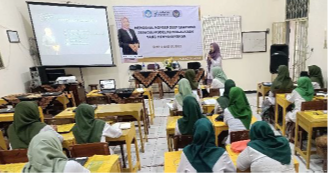
21st-century learning requires teachers to be able to design meaningful, enjoyable learning processes that are oriented towards deep conceptual understanding. One relevant approach is deep learning, which emphasizes active student involvement, reflection, and the transfer of knowledge to real-world contexts. However, preliminary studies show that teachers' understanding of the concept of deep learning is still limited because this approach was only recently introduced by the Minister of Education. This community service activity aims to assist teachers at SMP 3 Bae in understanding and implementing the concept of deep learning as an enjoyable learning approach through the development of teaching modules. This activity was held on July 3 to 5, 2025, and was attended by all 38 teachers at SMP 3 Bae. The implementation method includes socialization of deep learning, presentation of deep learning concepts and teaching modules, analysis of teaching module examples, practice in developing teaching modules, and presentation and reflection on module results. Data were collected through observations, participant response questionnaires, and analysis of teaching module products. Data were analysed using descriptive analysis. The results of the activity showed an increase in teachers' conceptual understanding of deep learning and their ability to develop teaching modules oriented towards meaningful learning. Based on the evaluation of the activity, 90% of teachers showed readiness to apply deep learning in learning. This activity contributed to improving teachers' pedagogical competence and supported the implementation of active, meaningful, and enjoyable learning at school.
References
Abbas, N., Fathurrohman, M., & Muslimin, E. (2025). Peningkatan Kompetensi Guru melalui Pendampingan Penulisan Buku Ajar [Improving Teacher Competence through Assistance in Writing Textbooks]. GUYUB: Journal of Community Engagement, 6(2), 523–551.
Abdullah, A., & Yahya, S. (2025). Kajian Pemanfaatan Deep Learning dalam Pembelajaran Pada Lembaga Pelatihan [Study of the Utilization of Deep Learning in Learning at Training Institutions]. Transformasi Journal of Management, Administration, Education, and Religious Affairs, 7(1), 25–41.
Alfiah, N., Arman, Asmiarti, M., Aziz, M. A., Aranah, S. N., & Yunanda, R. A. (2025). Eksplorasi Kesiapan Pedagogis Guru Sd Pada Implementasi Deep Learning [Exploration of Elementary School Teachers' Pedagogical Readiness for Deep Learning Implementation]. Jurnal Transformasi Pendidikan Dan Pembelajaran, 9(4), 17–39.
Amran, M., Syarif, N. Q., & Ilmi, N. (2024). Pendampingan Peningkatan Kompetensi Pedagogik Guru SD Sekabupaten Barru Dalam Mengembangkan Modul Ajar [Assistance in Improving the Pedagogical Competence of Elementary School Teachers in Barru Regency in Developing Teaching Modules]. Jurnal Penelitian Dan Pengabdian Masyarakat, 2(4), 483–491.
Cholifatunisa, A., Aulia, L., Marlina, N., & Iskandar, S. (2025). Pengembangan Kurikulum Merdeka Dengan Pendekatan Deep Learning Dalam Meningkatkan Kompetensi Siswa Sekolah Dasar [Developing an Independent Curriculum with a Deep Learning Approach to Improve Elementary School Students' Competencies]. Jurnal Pedagogik Pendidikan Dasar, 12(1), 128–136.
Dalilah, I. (2019). Strategi Pendampingan Berkelanjutan sebagai Alternatif Peningkatan Kompetensi Guru dalam Penggunaan Media Pembelajaran Berbasis IT [Continuous Mentoring Strategy as an Alternative to Improve Teacher Competence in the Use of IT-Based Learning Media]. Jurnal Pendidikan Dasar Indonesia, 4(2), 59–63.
Indah, N., Anwar, A., & Hamzah, A. (2025). Peran Peer-Reflection dalam Meningkatkan Hasil Pembelajaran Melalui Berbagi Praktik Baik antara Dosen Pendidikan Jasmani Kesehatan dan Rekreasi FIKK UNM [The Role of Peer-Reflection in Improving Learning Outcomes Through Sharing Good Practices between Lecturers of Physical Education, Health, and Recreation at FIKK UNM]. Sport Science Health, 7(11), 494–503. https://doi.org/10.17977/um062v7i112025p494-503
Khan, A. I., Safdar, D., Shah, M. T. ul H., Adnan, M., & Sultan, H. (2025). The Impact of Emotional Intelligence and Classroom Engagement on Academic Performance of The Students. Contemporary Journal of Social Science Review, 03(01), 1632–1643.
Khasanah, U., Alanur, S. N., Trisnawati, S. N. I., Sulistyowati, R., Isma, A., Agustina, E., Dewantara, H., Fajariah, N., Azis, F., Fauziah, M., Tahir, M. I. T., Mamu, H. D., Mardin, H., Waldi, A., Syahfitri, D., Arafat, M. Y., Darodjat, Khaedir, M., Firdaus, R., … Hamsar, I. (2025). Deep Learning dalam Pendidikan: Pendekatan Pembelajaran Bermakna, Sadar, dan Menyenangkan [Deep Learning in Education: A Meaningful, Conscious, and Enjoyable Learning Approach] (M. Hasan (ed.)). Tahta Media Group.
Lestari, S. (2024). Pengaruh Refleksi Diri dalam Mengembangkan kompetensi Profesional Peserta Didik [The Influence of Self-Reflection in Developing Students' Professional Competence]. Jurnal Pendidikan Tematik, 5(2), 299–304.
Miramadhani, A., Putri, A., & Faelasup. (2024). Strategi Pengembangan Profesionalisme Guru [Teacher Professional Development Strategy]. Jurnal Ilmu Pendidikan & Sosial, 02(03), 253–266.
Mustagfiroh, S. H., Mustaqim, M., & Arifin, N. (2025). Meaningful Learning in Primary Education: Implementation of Deep Learning Approach in Realizing the UNESCO Education Pillar at Madrasah Ibtidaiyah. Dinamika Ilmu, 25(2), 223–244.
Novitasari, Y., Wahyuni, S., & Wulandari, F. (2025). Persepsi Guru tentang Penerapan Pembelajaran Mendalam (deep learning) di Lembaga PAUD [Teachers' Perceptions of the Implementation of Deep Learning in Early Childhood Education Institutions]. Murhum: Jurnal Pendidikan Anak Usia Dini, 6(2), 1477–1489. https://doi.org/10.37985/murhum.v6i2.1692
Pahruroji, Suriswo, & Basukiyatno. (2025). The Implementation of Meaningful Learning in Enhancing Conceptual Understanding of Fifth-Grade Students in Mathematics. Didaktika: Jurnal Kependidikan, 14(4), 7279–7288.
Rahman, B. (2014). Refleksi Diri dan Peningkatan Profesionalisme Guru [Self-Reflection and Improvement of Teacher Professionalism]. Jurnal Paedagogia, 17(1), 1–12.
Rismawanda, H., & Mustika, D. (2024). Kemampuan Guru dalam Menyusun Modul Ajar pada Kurikulum Merdeka di Sekolah Dasar [Teachers' Ability to Develop Teaching Modules in the Independent Curriculum in Elementary Schools]. Aulad : Journal on Early Childhood, 7(1), 32–42. https://doi.org/10.31004/aulad.v7i1.575
Rohimat, J., Kamil, M., & Saripah, I. (2025). Dampak Model Pelatihan Partisipatif Berbasis Komunitas Belajar Terhadap Kinerja Guru SMAN 1 Gunungsindur [The Impact of the Participatory Learning Community-Based Training Model on the Performance of Teachers at SMAN 1 Gunungsindur]. Jurnal Ilmiah Global Education, 6(2), 1018–1034.
Situmorang, R., & Iriani, T. (2022). E-mentoring: Alternatif Peningkatan Kompetensi Pedagogik Guru [Alternatives for Improving Teachers' Pedagogical Competence]. Konstelasi: Konvergensi Teknologi Dan Sistem Informasi, 2(1), 217–228.
Sudirman, Firdaus, Mujahidah, & Muhammad Idris Jafar. (2025). Peran Kesiapan Guru dalam Implementasi Kurikulum Berbasis Deep Learning: Studi di Sekolah Dasar Kabupaten Bone [The Role of Teacher Readiness in the Implementation of Deep Learning-Based Curriculum: A Study in Elementary Schools in Bone Regency]. Prosiding Seminar Hasil Penelitian LP2M Universitas Negeri Makassar 2025, 794–811.
Downloads
Published
How to Cite
Issue
Section
License
Copyright (c) 2026 Himmatul Ulya

This work is licensed under a Creative Commons Attribution 4.0 International License.