Targeted Digital Outreach-Based Socialization: A Strategy to Enhance Students' Understanding of the Study Program's Academic Vision
DOI:
https://doi.org/10.32938/jpsh.v4i1.9307Keywords:
Academic vision, Social media, Students' understanding, Targeted digital outreachAbstract
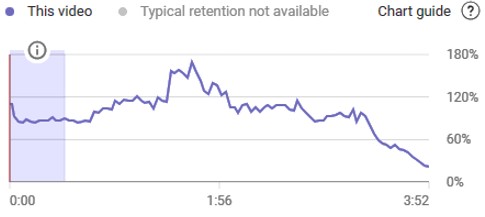
Promoting lifelong learning opportunities for all was part of the Sustainable Development Goal 4 program. However, transitioning from student to alumni was not always easy. To align students' academic activities with the academic vision of the study program, targeted digital outreach was conducted using videos sent through dominant social media platforms, to improve students' understanding of the program's academic vision. A total of 75 and 46 students participated in the social media survey and understanding test, respectively. The effectiveness of the socialization was evaluated based on student engagement, analysing video performance through social media analytics and measuring improvements in understanding. Results showed a surge in views at specific durations, with students re-watching the video links sent via WhatsApp or Instagram. Additionally, there was a significant improvement in students' understanding of the academic vision, categorized as moderate. Thus, targeted digital outreach-based socialization effectively enhanced students' understanding, though content presentation needed optimization. A collaborative approach was also necessary for broader video distribution.
References
Al-Maroof, R., Ayoubi, K., Alhumaid, K., Aburayya, A., Alshurideh, M., Alfaisal, R., & Salloum, S. (2021). The acceptance of social media video for knowledge acquisition, sharing and application: A com-parative study among YouTube users and TikTok Users’ for medical purposes. International Journal of Data and Network Science, 5(3), 197–214. https://doi.org/10.5267/j.ijdns.2021.6.013
Arianto, B., & Handayani, B. (2023). Media Sosial Sebagai Saluran Komunikasi Digital Kewargaan: Studi Etnografi Digital. ARKANA: Jurnal Komunikasi Dan Media, 2(2), 220–236. https://doi.org/10.62022/arkana.v2i02.5813
Aripradono, H. W. (2020). Penerapan Komunikasi Digital Storytelling Pada Media Sosial Instagram. Teknika, 9(2), 121–128. https://doi.org/10.34148/teknika.v9i2.298
BeiGene and CLL Society. (2024, December 4). BeiGene and CLL Society Partner to Advance Test Before TreatTM Campaign, Promoting Biomarker Testing to Improve Patient Outcomes in CLL. Business Wire. https://www.businesswire.com/news/home/20241204999940/en/
Burhayani, B., Nuridah, S., Saputra, A. M. A., Suyuti, S., Sarumaha, Y. A., & Anyan, A. (2023). Penerapan Media Pembelajaran Berbasis Video Untuk Meningkatkan Konsentrasi Belajar Peserta Didik. Jurnal Review Pendidikan Dan Pengajaran (JRPP), 6(2), 166–172. https://doi.org/10.31004/jrpp.v6i2.17783
Danu, L., Takaeb, A. E. L., & Toy, S. M. (2024). Gambaran Tingkat Stres Akademik Mahasiswa Tingkat Akhir Prodi Kesehatan Masyarakat UNDANA. SEHATMAS: Jurnal Ilmiah Kesehatan Masyarakat, 3(3), 408–416. https://doi.org/10.55123/sehatmas.v3i3.3526
DitjenDikti Kemendikbud. (2023). Statistik Pendidikan Tinggi 2023. DitjenDikti Kemendikbud.
Elkaim, L. M., Levett, J. J., Niazi, F., Alvi, M. A., Shlobin, N. A., Linzey, J. R., Robertson, F., Bokhari, R., Alotaibi, N. M., & Lasry, O. (2023). Cervical Myelopathy and Social Media: Mixed Methods Analysis. Journal of Medical Internet Research, 25, e42097. https://doi.org/10.2196/42097
Hake, R. R. (1998). Interactive-engagement versus traditional methods: A six-thousand-student survey of mechanics test data for introductory physics courses. American Journal of Physics, 66(1), 64–74. https://doi.org/10.1119/1.18809
Hasibuan, N. H. N., Rizki, J. W. S., & Siregar, N. M. (2024). Penggunaan WhatsApp Dalam Sarana Dakwah di Kalangan Mahasiswa Komunikasi dan Penyiaran Islam. Jurnal Komunika Islamika: Jurnal Ilmu Komunikasi Dan Kajian Islam, 11(1), 29–38. https://doi.org/10.37064/jki.v11i1.21234
Hermila, A., Ashari, S. A., Bau, R. T. R. ., & Suhada, S. (2023). Eksplorasi Intensitas Penggunaan Sosial Media (Studi Deskriptif Pada Mahasiswa Teknik Informatika UNG). Inverted: Journal of Information Technology Education, 3(2), 167–175. https://doi.org/10.37905/inverted.v3i2.21172
Hidayatullah, M. R., & Prasetyawan, Y. Y. (2019). Kajian Literasi Media Online Santri Mahasiswa (Studi Etnografi: Pondok Pesantren Mahasiswa Al-Fattah, Sumurboto, Semarang). Jurnal Ilmu Perpustakaan, 8(4), 194–203.
Lv, J., & Zhang, M. (2024). Changes and Mechanisms of Social Interaction Models in the Digital Age. Communications in Humanities Research, 36(1), 37–45. https://doi.org/10.54254/2753-7064/36/2024BJ0008
Maharani, E. (2015, December 2). Orang Indonesia Lebih Suka Mendengar dan Ngobrol daripada Membaca. Republiks. https://www.republika.co.id/berita/nyqn2d335/orang-indonesia-lebih-suka-mendengar-dan-ngobrol-daripada-membaca
Maulani, G., Rahardja, U., Hardini, M., I’zzaty, R. D., Aini, Q., & Santoso, N. P. L. (2020). Educating Farmers Using Participatory Rural Appraisal Construct. 2020 Fifth International Conference on Informatics and Computing (ICIC), 1–8. https://doi.org/10.1109/ICIC50835.2020.9288652
Muzayyanah, L., & Rifa’i, A. A. (2024). Peran Kepemimpinan Ketua Program Studi dalam Meminimalisir Prokrastinasi Akademik Penyelesaian Skripsi. Jurnal Pendidikan Inovatif, 6(1), 318–330.
Neil, J. M., Senecal, C., Ballini, L., Chang, Y., Goshe, B., Flores, E., Ostroff, J. S., & Park, E. R. (2022). A Multimethod Evaluation of Tobacco Treatment Trial Recruitment Messages for Current Smokers Recently Diagnosed With Cancer: Pilot Factorial Randomized Controlled Trial. JMIR Cancer, 8(3), e37526. https://doi.org/10.2196/37526
Permana, A. A., Marviana, D., Rahmawati, W., & Nurhadi, Z. F. (2023). Makna Komunikasi Anak Dan Orang Tua Di Media Sosial WhatsApp. Humantech: Jurnal Ilmiah Multidisiplin Indonesia, 2(10), 2076–2085.
Purnaningsih, P. (2017). Strategi Pemanfaatan Media Audio Visual untuk Peningkatan Hasil Belajar Bahasa Inggris. Jurnal Informatika Universitas Pamulang, 2(1), 34–41. https://doi.org/10.32493/informatika.v2i1.1503
Puteri, D. W., Buana, P. W., & Sukarsa, I. M. (2024). Komparasi Metode Decision Tree dan Deep Learning dalam Meramalkan Jumlah Mahasiswa Drop Out Berdasarkan Nilai Akademik. Journal of Internet and Software Engineering, 1(2), 1–12. https://doi.org/10.47134/pjise.v1i2.2327
Rahmani, A. M., Groot, W., & Rahmani, H. (2024). Dropout in online higher education: a systematic literature review. International Journal of Educational Technology in Higher Education, 21(1), 19. https://doi.org/10.1186/s41239-024-00450-9
Rizki, N. A., Novri, I., Muhtadin, A., & Fendiyanto, P. (2024). Aturan Asosiasi Media Sosial Favorit Mahasiswa Pendidikan Matematika Berdasarkan Cara Belajar dan Gaya Belajar. Journal of Mathematics Education and Science, 7(1), 43–52. https://doi.org/10.32665/james.v7i1.1924
Sakti, B. C., & Yulianto, M. (2018). Penggunaan media sosial instagram dalam pembentukan identitas diri remaja. Interaksi Online, 6(4), 490–501.
Satria, D. (2023). Sistem Notifikasi Pelayanan Akademik Berbasis Media Sosial Whatsapp. Jurnal Sintaks Logika, 3(2), 6–10. https://doi.org/10.31850/jsilog.v3i2.2417
Serungke, M., Sibuea, P., Azzahra, A., Fadillah, M. A., Rahmadani, S., & Arian, R. (2023). Penggunaan media audio visual dalam proses pembelajaran bagi peserta didik. Jurnal Review Pendidikan Dan Pengajaran (JRPP), 6(4), 3503–3508. https://doi.org/10.31004/jrpp.v6i4.22891
Sidik, A. P., & Sanusi, N. (2019). Pola Komunikasi Mahasiswa di Media Sosial. Jurnal Common, 3(1), 26–33. https://doi.org/10.34010/common.v3i1.1949
Sukrillah, A., Ratnamulyani, I. A., & Kusumadinata, A. A. (2017). Pemanfaatan media sosial melalui whatsapp group FEI sebagai sarana komunikasi. Jurnal Komunikatio, 3(2), 95–103.
Sunardiyah, F., Pawito, P., & Naini, A. M. I. (2023). The Digital Socialization Effectiveness of “Destroy The Illegal Cigarettes” at Customs and Excise Office in Surakarta. Jurnal Komunikasi Indonesia, 12(1), 135–152. https://doi.org/10.7454/jkmi.v12i1.1060
Susanti, E., Harta, R., Karyana, A., & Halimah, M. (2018). Desain video pembelajaran yang efektif pada pendidikan jarak jauh: Studi di Universitas Terbuka. Jurnal Pendidikan Dan Kebudayaan, 3(2), 167–185. https://doi.org/10.24832/jpnk.v3i2.929
Tanjaya, C. O., & Basaria, D. (2024). Gambaran Prokrastinasi Penyelesaian Skripsi pada Mahasiswa yang Tidak Lulus Tepat Waktu. Jurnal Syntax Admiration, 5(12), 5444–5456. https://doi.org/10.46799/jsa.v5i12.1878
United Nations Statistics Division. (2017). SDG Indicators: Global indicator framework for the Sustainable Development Goals and targets of the 2030 Agenda for Sustainable Development. United Nations. https://unstats.un.org/sdgs/indicators/indicators-list/
Wasngadiredja, P. F., & Wibowo, D. P. (2024). Efektifitas Komunikasi Persuasif dalam Mendorong Perubahan Perilaku Mahasiswa Farmasi. Journal of Education Research, 5(1), 48–54. https://doi.org/10.37985/jer.v5i1.676
Yulianingsih, Y. (2019). Manajemen akreditasi program studi pada perguruan tinggi. Al-Idarah: Jurnal Kependidikan Islam, 5(1), 92–116. https://doi.org/10.24042/alidarah.v5i1.756
Downloads
Published
How to Cite
Issue
Section
License
Copyright (c) 2025 Fiki Alghadari, Feri Tiona Pasaribu, Silvia Fitriani

This work is licensed under a Creative Commons Attribution 4.0 International License.